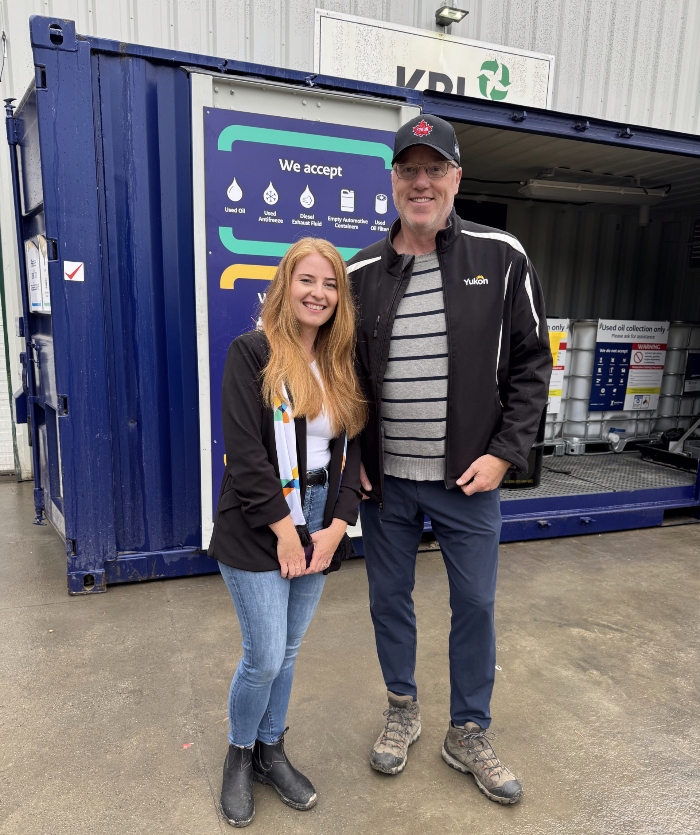
Residents of the Yukon now have a permanent way to recycle certain household hazardous waste, following the launch of Interchange Recycling’s new collection site at the Whitehorse waste management facility.
The site opened in August and marks the company’s first expansion beyond British Columbia, where nearly 50 million litres of used oil are collected each year alone. It brings its extended producer responsibility (EPR) program to the territory to accept lubricating oil, antifreeze, diesel exhaust fluid, oil filters, and all automotive containers.
“We’re incredibly excited to officially be up and running in Yukon,” said Jenn Robson, director of operations at Interchange, in a statement. “This marks a major milestone for our organization and for extended producer responsibility in the territory,” adds Robson, who says there is still room to expand the company’s presence.
Interchange has partnered with local company KBL Environmental Ltd. to operate the site. After KBL collects the materials, they will be shipped to processors outside the territory for recycling or disposal.
Subscribe to our Newsletter!
The latest environmental engineering news direct to your inbox. You can unsubscribe at any time.
Robson said the collection site will ensure Yukon’s hazardous waste is managed properly, when previously there were no regulations in place to help materials be collected and recycled.
Interchange is also supporting collection events outside of Whitehorse to give residents across the territory access to the program. Robson said the company will continue working with municipalities and solid waste facilities to set up additional collection sites in Yukon communities.
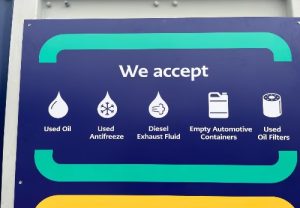 “We want to make drop-off as convenient and seamless as possible for Whitehorse residents and will be actively listening to their feedback over the coming weeks and months, now that our program has kicked off,” she said. “Our collection events outside of Whitehorse will ensure that Yukon residents who live outside of Whitehorse are able to access the program. Our EPR program in this territory will ensure the proper disposal of materials, prevent pollution, reduce waste, and support a circular economy.”
The Yukon government began implementing extended producer responsibility in January 2024, shifting the cost of recycling from taxpayers and municipalities onto producers. The program is expected to be fully in place by the end of this year. Interchange is one of four producer responsibility organizations operating in the territory, joining Call2Recycle, which began recycling batteries in June.
Speaking at the program launch, Yukon’s Minister of Environment, Nils Clarke, said Yukoners generate somewhere around 570 to 580 kilograms of waste per person, and the new program will reduce “midnight dumping”.