

Researchers at Worcester Polytechnic Institute (WPI) in Massachusetts have developed a new process to remove PFAS from wastewater while generating renewable fuel and potentially reducing carbon emissions.
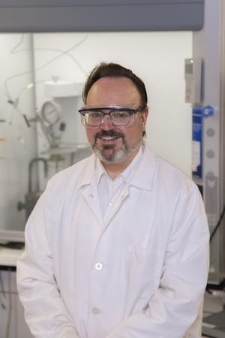
Led by chemical engineering professor Michael Timko, the team enhanced hydrothermal liquefaction (HTL) technology to create radical initiated hydrothermal liquefaction (RI-HTL), a process that heats sewage sludge in a reactor, breaking down PFAS using hydrogen peroxide.
Initial tests showed RI-HTL removed 99% of PFAS from processed water, 98% from solid waste, and 89% from oil. The method also increases biocrude yield to 60%, compared to 40% from traditional HTL, and eliminates the need for energy-intensive drying and incineration.
“There isn’t going to be a one-shot solution to the PFAS problem. There will be many different solutions in different areas,” announced Timko in a statement from WPI. “We think we have a sweet spot with a technology that could benefit wastewater treatment. It has very complex and rich chemical engineering science behind it that I hope to further understand through testing so we can help reverse some of the damage PFAS have been silently causing for decades.”
Subscribe to our Newsletter!
The latest environmental engineering news direct to your inbox. You can unsubscribe at any time.

PFAS, commonly found in non-stick cookware, food packaging, water-resistant clothing and textiles, electronics, and firefighting foam, persist in the environment and accumulate in the human body, posing health risks such as cancer and liver damage. With growing regulatory pressure to curb PFAS pollution, WPI’s innovation offers a sustainable solution for wastewater treatment facilities.
To commercialize the technology, Timko co-founded River Otter Renewables in 2023, partnering with CEO Amelia Thomas. The company, supported by Environmental Protection Agency funding, aims to scale up RI-HTL, optimize sludge processing, and explore additional catalysts.




