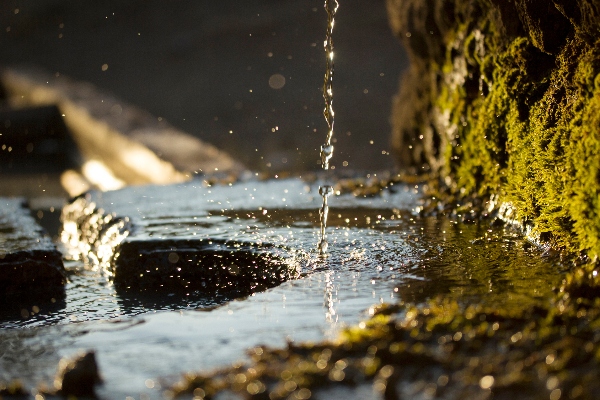
Groundwater systems play a crucial role in sustaining life and ecosystems, but their intricate dynamics and limited accessibility present ongoing challenges for researchers.
Dr. Grant Ferguson, a professor in the College of Engineering and the School of Environment and Sustainability (SENS) at the University of Saskatchewan (USask), has spent years studying these hidden systems. Despite significant advancements, he believes much remains to be uncovered.
“Groundwater systems are extremely variable in space, leading to complex responses to both climate fluctuations and pumping,” Ferguson explained. “Studying these systems is challenging due to our limited number of windows into the subsurface.”
In a recent article published in the science journal Nature, Ferguson and his colleagues shed light on the challenges of understanding groundwater systems within the framework of proposed Earth system boundaries (ESBs). ESBs aim to define limits on resource usage to ensure the planet remains within safe operating conditions. However, Ferguson warns that oversimplifying groundwater dynamics when setting these boundaries could lead to unintended environmental and social consequences.
Subscribe to our Newsletter!
The latest environmental engineering news direct to your inbox. You can unsubscribe at any time.
“These boundaries are difficult to define, and we found that the proposed approach wasn’t taking into account the fundamentals of groundwater hydrology that have been established for nearly a century,” he said.
Ferguson emphasized that failing to consider the nuances of groundwater systems risks exacerbating water scarcity and inequity in vulnerable regions such as Sub-Saharan Africa and the Middle East.
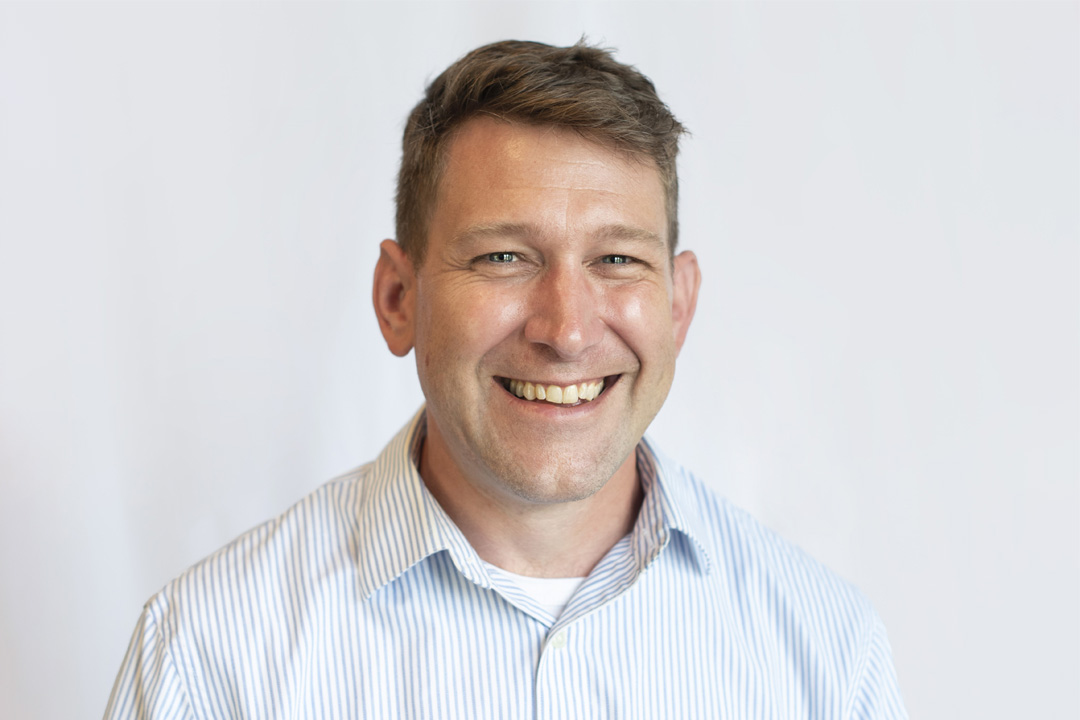
For Ferguson, engaging with local communities is key to developing sustainable and equitable groundwater policies.
“There are always more problems and always more work to do. As physical scientists and engineers, we need to do a better job of collaborating with communities and social scientists,” he said. “Beyond that, you need to step aside and realize that the planet itself is just a hugely complex place, so it’s hard to find a simple solution to these larger problems.”
Ferguson’s work also encourages a deeper appreciation for the subsurface world, which remains largely unexplored. “When you look to the stars, you get a sense of wonder and exploration and the deep future, but that wonder also exists below ground when we think about the deep past and everything that the Earth has to tell us,” he said. “There is so much left to explore right here beneath our feet.”