

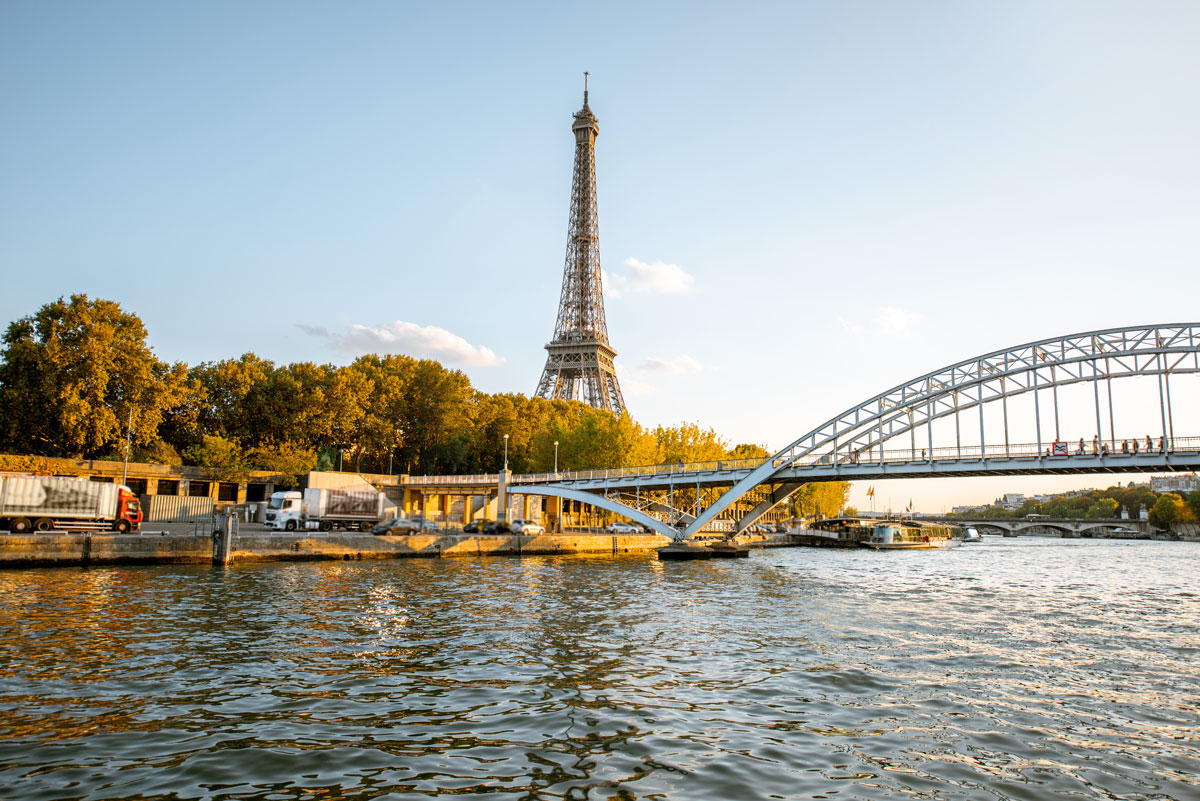
The reopening of the Seine River in Paris for public swimming after a century-long ban follows efforts by authorities to improve its water quality so it could be used for Olympic events in summer 2024.
About 1,000 swimmers a day will be allowed to use three swimming sites in the Seine for free through July and August, complete with lifeguards and shower facilities.
The opening comes one year after the €1.4-billion clean-up process that connected some 20,000 homes to the sewer system, upgraded water treatment facilities, and constructed massive rainwater storage reservoirs to prevent sewer overflow during heavy storms.
Typically, swimming in the river has been illegal due to bacterial levels. But cleaning up the Seine was a centerpiece of the city’s successful bid to host the last games.
Subscribe to our Newsletter!
The latest environmental engineering news direct to your inbox. You can unsubscribe at any time.
Despite those efforts, however, the Paris games struggled with heavy rains that continued to create fluctuating bacteria levels and concerns around whether water quality levels were safe for Olympic swimmers.
Like many cities, Paris utilizes a combined sewer system vulnerable to heavy rains.
Prior to the Olympics, local officials constructed a massive underground storage reservoir to collect excess rainwater and stop untreated wastewater from entering the Seine. Dubbed Bassin d’Austerlitz, it has the capacity to hold the equivalent of 46,000 m³ of water, or more than 12 Olympic swimming pools. The reservoir took 3.5 years to build.
“In addition to the structural challenge of the rainwater basin, a 600 metre-long tunnel with a diameter of 2.5 metres was also built leading into the tank, acting as a channel to allow water to flow out,” stated building technology company Max Frank in statement, referring to the water flowing beneath the train station to a treatment plant.
Additionally, there was the installation of two disinfection units at local wastewater treatment plants.
Daily water quality tests for E.coli and Enterococci bacteria at various locations will be conducted during the swimming season. France-based Fluidion, a water intelligence and environmental monitoring firm, played a key role in providing water alert technology to ensure the safety of the Seine.
“The city needed an automated, cost-effective solution to streamline real-time data collection and align with the Olympic committee’s vision, prompting a new approach to water quality management,” Fluidion announced in a statement. “The analyzers could be deployed as floating units or attached to specially designed rails, offering flexibility to suit the operational constraints of the City of Paris,” the company added.
Additionally, Fluidion is partnering with inhabited barge and boat owners on the Seine and Marne rivers, monitoring the effectiveness of their on-board effluent treatment systems to ensure they meet current regulations.




