

China has begun to ease restrictions on Japanese seafood imports after a nearly two-year ban that resulted from the discharge of radioactive wastewater from the tsunami-destroyed Fukushima nuclear power plant.
China’s customs agency issued a notice indicating that testing of the water had not revealed any abnormalities, yet the seafood import ban remains in place for 10 of Japan’s 47 prefectures, including Fukushima.
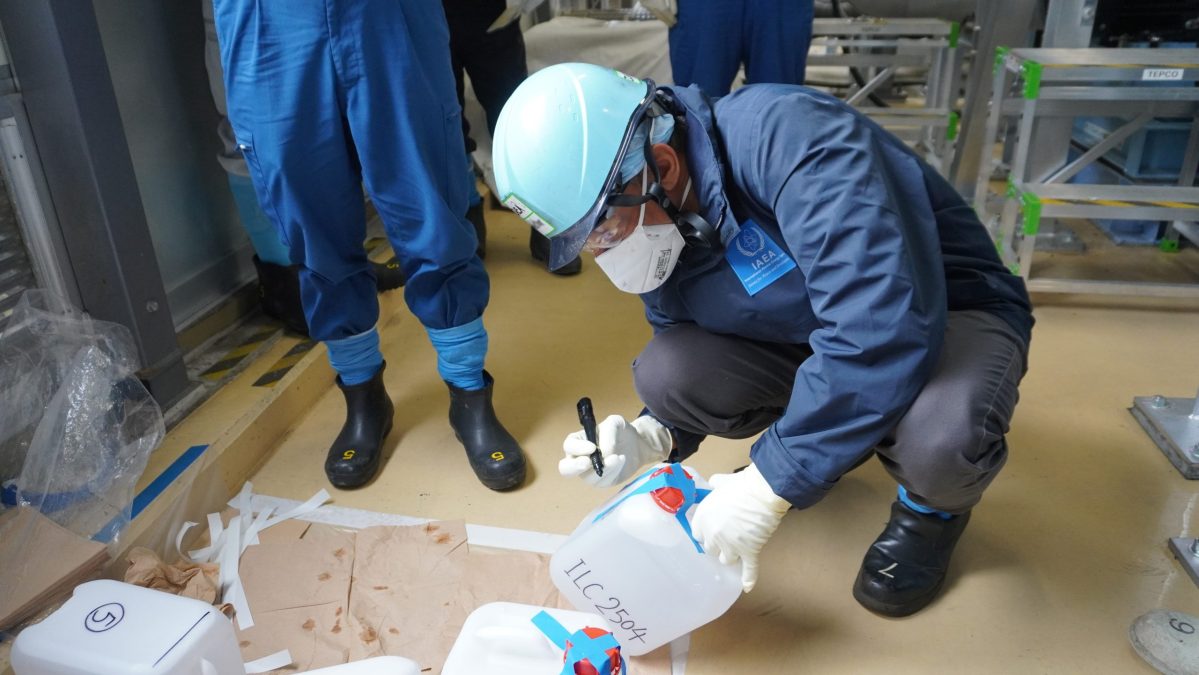
The Japanese government worked for years to gain permission from the International Atomic Energy Agency to discharge the water into the Pacific Ocean. The discharge occurred after treating it to remove most of the radioactive elements and diluting it with seawater. China disagreed with the move and imposed a ban, saying the discharge would endanger the fishing industry.
Some 1,000 tanks at the plant held treated water remaining from the 2011 earthquake and tsunami that damaged the Fukushima nuclear plant and killed more than 20,000 people. The nuclear plant’s cooling systems were damaged, causing three reactors to melt and their cooling water to be contaminated and leak continuously.
Subscribe to our Newsletter!
The latest environmental engineering news direct to your inbox. You can unsubscribe at any time.
Since the ban, popular scallop and sea cucumber exporters have largely made other arrangements, and experts remain unsure how the seafood market will transition as the ban loosens its grip.
Japanese seafood exporters will have to reapply for registration in China and all imports will have to include a health certificate, a certificate of compliance for radioactive substance testing and a certificate of origin, the Chinese customs agency stated.
The ban went into place in August of 2023.




