In a move to tackle plastic and textile waste, Environment and Climate Change Canada is investing $662,161 in the Canadian Circular Textiles Consortium by Fashion Takes Action, which aims to mobilize experts, industry, innovators, and communities on circular textile solutions.
As part of this project, Fashion Takes Action will conduct research on textile waste from industrial, commercial, and institutional facilities, as well as research into fabric-scrap textile waste, which will include a collection and sorting pilot project in the Greater Toronto Area.
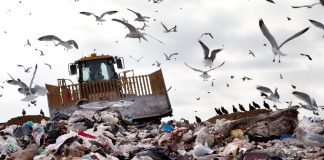
Plastics are heavily used in the fashion industry, with synthetic textiles such as polyester and nylon contributing significantly to waste and pollution. Approximately 98% of plastic textile waste in Canada ends up in landfills, making textiles the fifth-largest category of plastic waste in the country, according to federal data.
The average Canadian and U.S. household releases about 533 million microfibres from laundry into wastewater systems annually, according to a study by Ocean Wise in Vancouver. Despite wastewater treatment plants capturing over 95% of these microfibres, Canada and the U.S. still release approximately 878 tonnes into waterways each year.
Subscribe to our Newsletter!
The latest environmental engineering news direct to your inbox. You can unsubscribe at any time.
“We are fully committed to ending plastic waste and pollution in Canada, but we cannot do this alone,” announced Steven Guilbeault, Minister of Environment and Climate Change. “I applaud Fashion Takes Action’s commitment to bring stakeholders from across the country together to reduce textile and plastic waste. By working together, we can create a cleaner, healthier future for everyone while keeping plastics in the economy and out of the environment.”
In 2020, Canadians generated 4.9 million tonnes of plastic waste, with about 1% entering the environment as pollution. Of the 290 kilotons of synthetic textile products purchased in Canada that year, such as polyester, nylon, polyvinyl chloride (PVC), or acrylic, about 280 kilotons were discarded as waste, according to Statistics Canada’s Physical Flow Account for Plastic Material.
The Canadian Circular Textiles Consortium will act as a platform where manufacturers, retailers, recyclers, and end users from across Canada can share information and collaborate on circular textile projects. The initiative will support policy design, development of circularity standards, and education outreach.
The federal government has been actively investing in circular economy initiatives, with over $3.3 million allocated in 2024 to support Canadian organizations working on innovative solutions to plastic waste and pollution. This recent funding underscores a continued commitment to tackling plastic pollution across the lifecycle of plastics.
“This funding enables us to drive research on institutional and commercial textile waste, while also fostering innovation and collaboration through the Canadian Circular Textiles Consortium. Together, we can create a more sustainable and circular future for fashion,” announced Kelly Drennan, founding executive director of Fashion Takes Action.