


By David Nesseth
It was a natural golden ale that started out its brewing journey just a little bit more natural than some craft beer enthusiasts had ever experienced before. The head brewer at the time called the limited-edition batch a “mental hurdle”, while others described it as getting over the “yuck factor.” Both refer to the process of giving highly-treated wastewater a second life for consumption following multi-barrier treatment.
The project took place in 2020. Xylem Inc. partnered with Calgary’s Village Brewery and monitoring was done to ensure it met criteria specified by Alberta Health Services. The water, sourced from the Pine Creek wastewater treatment plant near the Bow River in southeast Calgary, underwent a rigorous purification process. It passed through a full-scale biological nutrient removal treatment plant to ultrafiltration, advanced oxidation, and finally reverse osmosis.
Then, the brewery took over to create an ale that tastes no different than its usual product. “It got global coverage picked up by over 200 media outlets. Some 1,600 cans of beer disappeared in two weeks,” recalls Christine O’Grady, executive director of Advancing Canadian Water Assets (ACWA), a research partnership between the City of Calgary and the University of Calgary. “It was the first potable water project in Alberta and a very successful endeavour.”
Subscribe to our Newsletter!
The latest environmental engineering news direct to your inbox. You can unsubscribe at any time.
Wastewater reuse, or what some may consider to be “recycled water”, often becomes a case of knowing the water is safe to drink, though its origins may still linger in the minds of those holding a full glass.
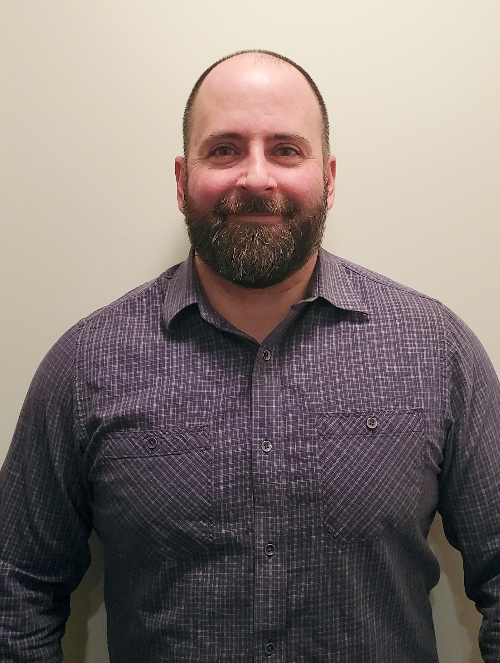
A recent Natural Sciences and Engineering Research Council of Canada (NSERC) Discovery Grant will kick off five years of research to further understand the misconceptions and stigma around the potential to recycle wastewater and pave the way towards solving water scarcity.
“Reuse has perceptions that mainly need to be changed, and that’s the same everywhere,” McPhedran told ES&E Magazine.
It’s not the first time that psychology has been a factor around drinking water. When bottled water began to gain more popularity around the end of the 1900s, many people shared the common perception that it tasted better than tap water.
“But during testing, people often found they actually liked municipal tap water better,” recalls McPhedran. “That perception is hard to break.”
Reuse Research
Many studies, including 2022 research from Stanford University, have shown that highly-treated wastewater is essentially “purer” than standard tap water, something that could one day turn out to be a marketing opportunity, as minerals are often stripped, then added back in.
Focus groups for McPhedran’s upcoming reuse research will include stakeholders from different segments of the community, including water professionals and regulatory experts, some of whom may ultimately be part of creating a regulatory framework for reuse to create a circular water economy.
“We’ll reach a limit with the focus groups if people keep telling us the same story,” he says. “If we talk to 20 people and 10 of them have told us the same story, we’ll have a good idea, at least in the social science arena.”
A 2015 Australian study of public perceptions found that the comfort level with drinking recycled water was always the lowest of the four alternative water sources. Most preferred the concept of drinking rainwater instead.
“Of the psychological variables, participants’ comfort with technology in general, trust in science and trust in government emerged consistently as significant positive predictors of comfort with drinking recycled water, stormwater, and desalinated water,” wrote the study’s researchers from the Commonwealth Scientific and Industrial Research Organisation and the University of Queensland.
Additionally, a 2022 study by University of Tocantins researchers in Brazil found that the public was receptive to concepts of indirect reuse of treated water, but had a “strong rejection” of direct reuse.
These study results were not lost on McPhedran, who says having some kind of natural barrier between the wastewater treatment plant and the drinking water treatment plant is a critical way to ease public concerns around reuse. Storing treated wastewater in some kind of groundwater aquifer would create a necessary degree of separation between the two processes, he suggests.
“I think most Canadians would want to see that natural buffer in between so they would be more accepting of it. But, we want to talk to people and see if that makes a big enough difference for them.”
Terminology
When ES&E Magazine first reported on the debut of the wastewater-treated beer in Calgary, one online article comment raised an important consideration for increasing the potential for reuse acceptance: word choice.
“A good reason to use the term ‘used urban water,’” the online comment noted. “More positive and better fits in the Urban Water Cycle idea than ‘wastewater’. Much less appetizing!”
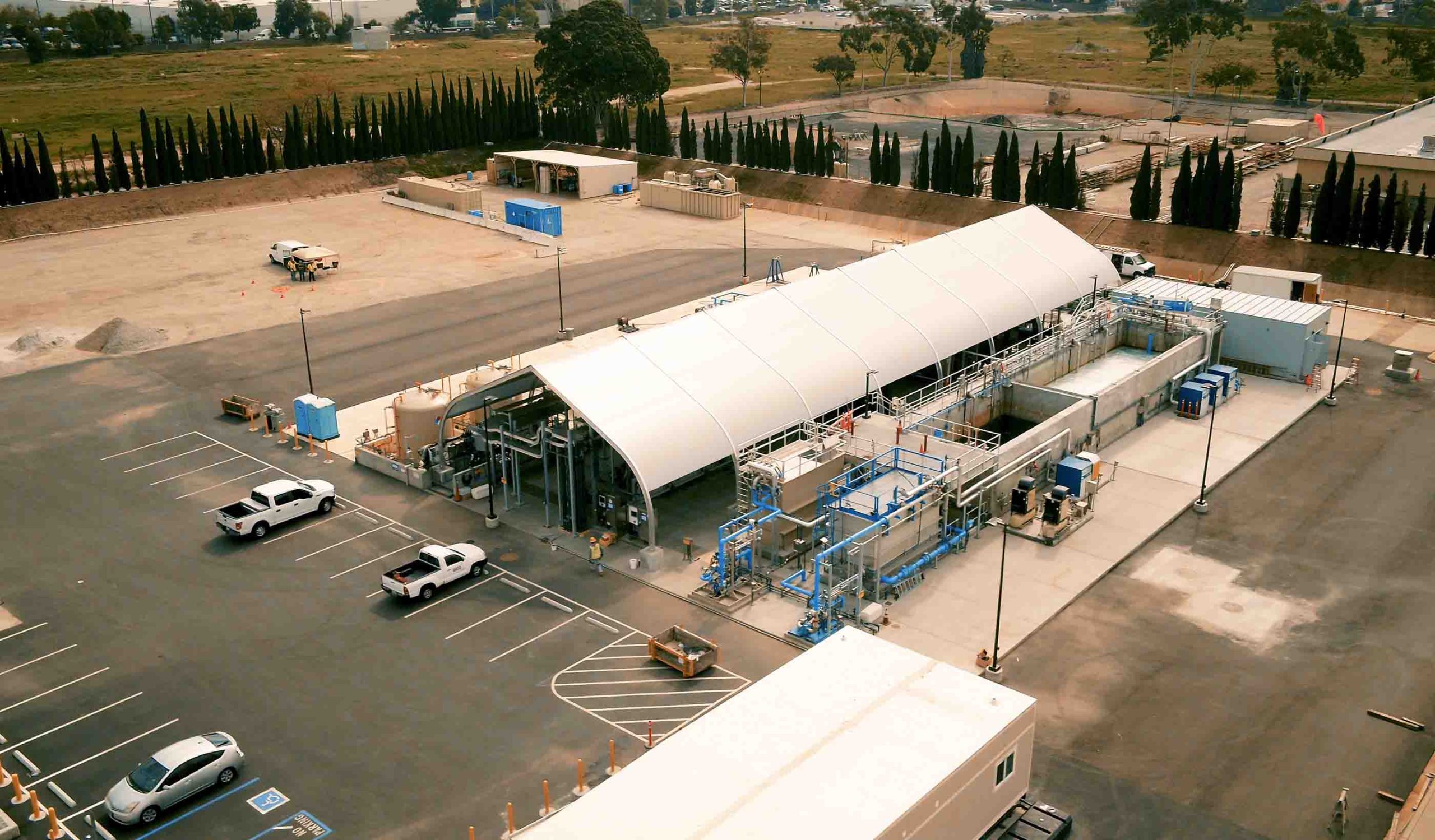
While few could argue that descriptions such as “Toilet-to-Tap” are likely to have few takers, some regions have even run surveys on the point of terminology. The U.S. WateReuse Association at one point recommended calling it “advanced purified water.” Another group in California rebranded its advanced purification project to become “pure water.”
Elsewhere in the U.S., the Colorado Springs Utilities has even designated a community education specialist who tours the region with a recycled water demonstration trailer to convert reuse sceptics. The PureWater Colorado Mobile Demonstration team uses carbon filtration technology for treatment because the local water is highly mineralized. So far, the trailer crew says it has convinced some 85% of the thirsty and curious they’ve encountered to try a glass of recycled water.
Mining wastewater as a resource soared to new levels since COVID-19 and brought surveillance methods fully into the public consciousness, says McPhedran, who is the USask Centennial Enhancement Chair in Water Stewardship for Indigenous Communities, and a professor in Civil, Geological and Environmental Engineering in the College of Engineering. He thinks the wider understanding of wastewater may have even increased public interest somewhat in terms of taking its usefulness even further.
Widespread wastewater reuse perceptions, or misconceptions, also continue to be challenged by the fact that public knowledge about water use and scarcity may be at an all-time high. This means there is some newly-built room for flexibility, says McPhedran. Perhaps real-life applications for wastewater’s second life won’t only be relegated to situations where people have no other choice, such as astronauts in space, or crisis drought situations like Namibia. In 1968, the Goreangab Water Reclamation Plant in Namibia became the first to recycle municipal wastewater into drinking water with a 10-step purification process.
Water scarcity is a top concern for McPhedran. He says municipalities in Saskatchewan are brainstorming the use of more modular package wastewater treatment systems that could become intensely local for serving smaller communities. Saskatoon, for instance, currently has just one wastewater and one water treatment facility. Discussions around reuse have primarily focused on irrigation, but potable water has become more and more a part of the conversation.
“I’ve been hearing from the Prairie provinces, and just cities in general, that they are reaching capacity for municipal wastewater treatment and drinking water,” says McPhedran. “It’s really limiting the ability to grow.”
If stigma is the number one hurdle for reuse, cost is a close second, says McPhedran. “If it’s something that’s going to cost us significantly more, we’re going to stick with our status quo,” he says.
Alberta has legislation in a draft state based on California’s adoption of certain direct potable reuse regulations. “I know here they’re looking for direction, and that’s why more research is needed across the country and solutions found in our networks here,” says McPhedran.
Regulatory Landscape
While Canada is still in the early stages of considering applications for recycled water, other regions, like California, are already setting the standard.
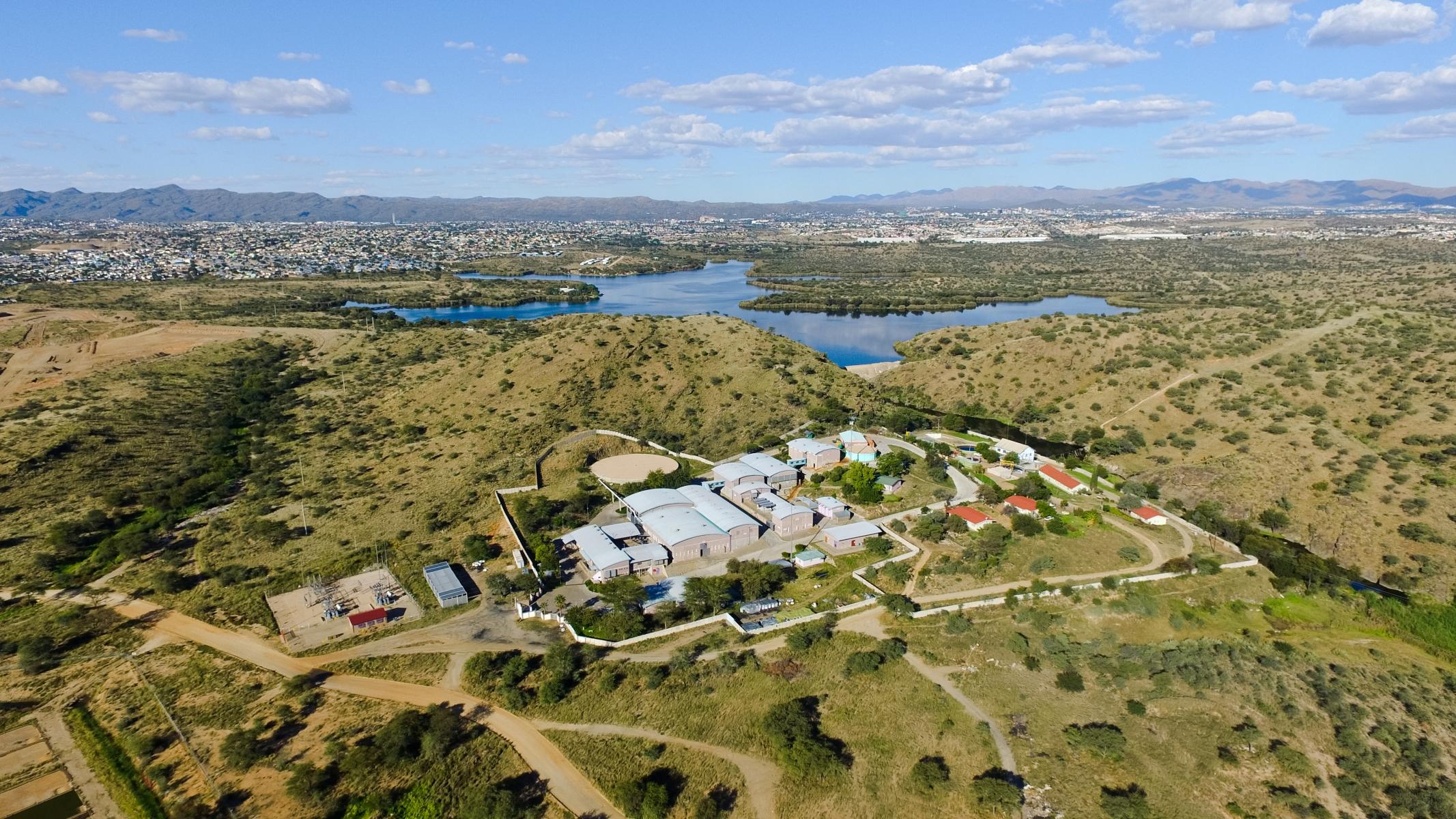
California’s Direct Potable Reuse regulations took effect recently, representing a major step forward for those who hope to see advancement for sustainability. The push by groups such as WateReuse California to utilize wastewater as a drinking source has been some 13 years in the making. During this ime, the state has struggled with several extreme droughts and dwindling reservoirs.
The new regulations create additional flexibility by allowing advanced purified water to be added directly into drinking water systems, where it isn’t feasible to first blend it into a larger body. When it comes to indirect potable reuse, California first adopted regulations for groundwater replenishment with recycled water in 1978.
For California’s new direct potable reuse regulations, officials insisted that the wastewater treatment would have to consist of “no less than four separate treatment processes” for each of the following pathogens: enteric viruses, Giardia lamblia cysts, and Cryptosporidium oocyst. Treatment mechanisms will also have to include one membrane physical separation mechanism, one chemical inactivation mechanism, and one UV inactivation mechanism.
A proposed water recycling facility in Carson, California, is projected to cost $3.4 billion to build and some $129 million to operate each year. It would be located directly next to an existing wastewater treatment plant. The Metropolitan Water District says the Pure Water Southern California reuse facility could be up and running by 2032.
“Pure Water Southern California will be to this century what the aqueducts of California’s State Water Project were in the last,” says project partner, Stantec, in a recent demonstration project update.
The California State Water Resources Control Board was on hand in late August for the opening of a new membrane filtration reverse osmosis wastewater recycling facility in large part funded by $45 million from the board. The facility will primarily serve northern San Diego County agriculture.
Other areas in the U.S. are also taking steps for wastewater reuse, particularly in areas where there is more demand for water than there is supply, such as Texas and the Colorado River basin.
While potable reuse may be the ultimate goal, McPhedran says he’s realistic that he may need to settle for irrigation and the integration of technology that would allow people to reuse greywater for flushing toilets. “Municipalities already sink so much into infrastructure collecting wastewater, we might as well try to get something out of it instead of just putting it back.”
In Canada, further development of reuse regulations would need to take place in order to make that a reality. McPhedran hopes that his research could help take the reuse conversation to the next level, as the next five years could redefine water reuse not just in Canada, but around the world.
David Nesseth is with ES&E Magazine. Email: david@esemag.com
This article was published in ES&E Magazine’s October 2024 issue.
Read the full issue below:




