

As health and environmental groups return to court this month to defend the federal government’s ability to tackle plastics pollution, British Columbia has started the next phase of its own Single-Use and Plastic Waste Prevention Regulation.
In a decision released last November, a federal court declared the sitting government’s listing of plastics as a toxic substance under the Canadian Environmental Protection Act as unlawful and overly broad. The federal plastics ban remains in effect until a decision is reached by the Federal Court of Appeal.
“We are headed back to court because we know what’s at stake if plastics production and pollution is allowed to continue unchecked,” announced Karen Wirsig, senior program manager for Environmental Defence Canada, one of the intervenors in the appeal.
Trevor Bant, legal counsel for B.C.’s attorney general, also appeared before the justices to support the federal government’s appeal of the decision.
Subscribe to our Newsletter!
The latest environmental engineering news direct to your inbox. You can unsubscribe at any time.
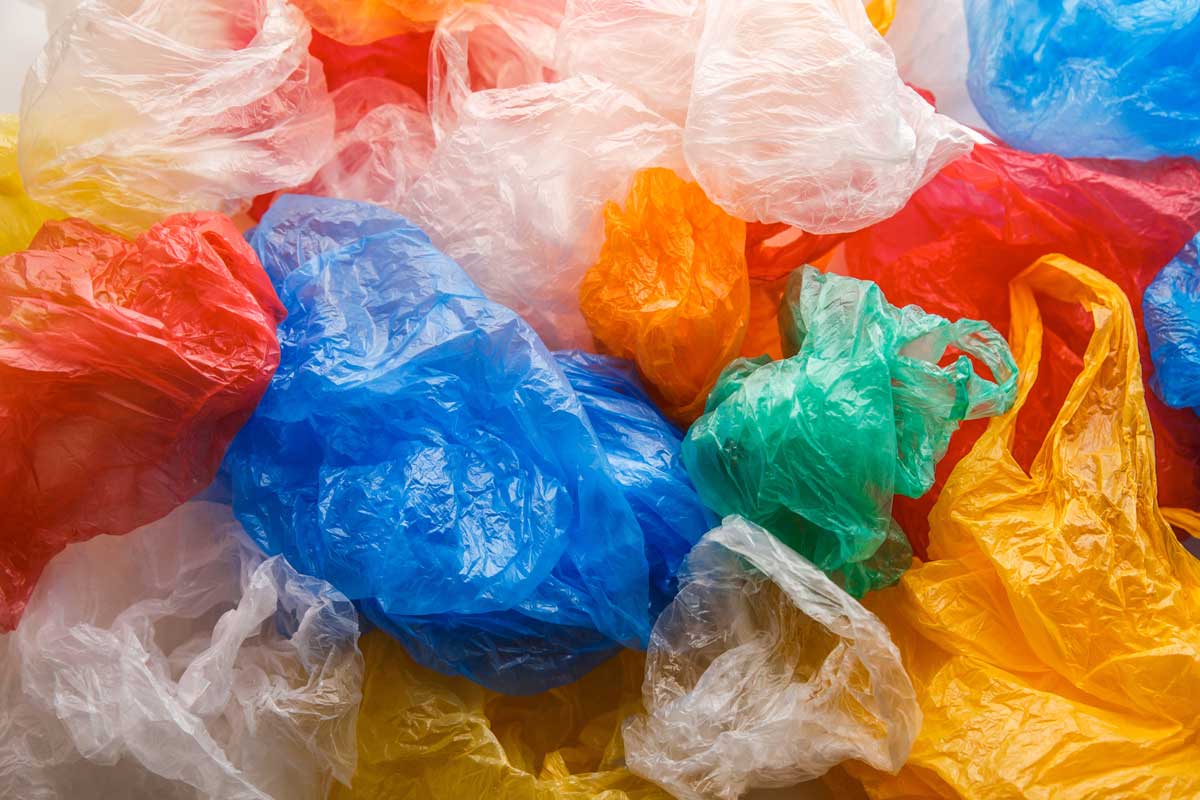
Regardless of the Federal Court of Appeal case outcome, B.C. has begun a new phase of its own Single-Use and Plastic Waste Prevention Regulation. As of July 15, several new items were prohibited, businesses can no longer sell or distribute plastic shopping bags, disposable food service ware, PVDC film wrap (popular as blister packs), and oxo-degradable plastics, which contain chemicals that break down into microplastics.
The latest phase of the regulation will have the most significant impact on the food service industry, the province noted. Banned food ware includes items made of biodegradable plastic, polystyrene foam (i.e., styrofoam), polyvinyl chloride (PVC) or polyvinylidene chloride (PVDC) materials. This includes certain bowls, boxes, cartons, cups, plates, platters, trays, hinged containers, lidded containers, egg cartons, and film wrap. The regulation excludes polystyrene foam meat trays for the use of raw proteins only until 2030.
B.C. previously banned plastic utensils under the regulation in December 2023.
The B.C. government estimates that more than 340,000 tonnes of plastic items and packaging were disposed of in the province in 2019. This equates to more than 65 kilograms of plastic waste per person sent to the landfill in one year, according to the B.C. Ministry of Environment and Climate Change Strategy.





