

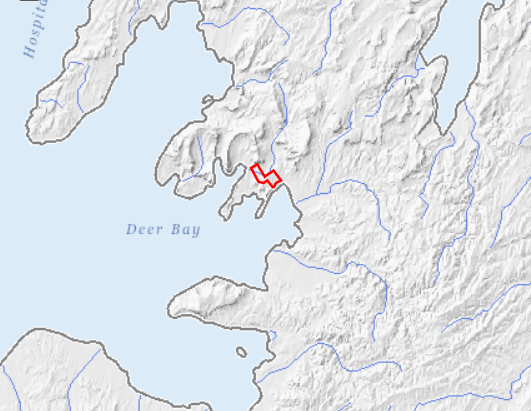
A large-scale remediation project proposed for Nunavut’s High Arctic would demolish more than 20 abandoned structures, remove hazardous materials and clean up thousands of fuel drums and other legacy waste at a former weather station on Ellef Ringnes Island.
The project, outlined in a July 2026 proposal submitted to the Nunavut Impact Review Board (NIRB), would remediate the Isachsen High Arctic Weather Station (HAWS), along with two smaller former oil exploration sites at Cape Isachsen and Kristoffer Bay.
Environment and Climate Change Canada owns the former weather station, while Crown-Indigenous Relations and Northern Affairs Canada owns the two smaller sites. Public Services and Procurement Canada is serving as contracting manager for the proposed cleanup.
The site is filled with hazardous substances such as asbestos, lead, mercury and mould, according to NIRB documents.
Subscribe to our Newsletter!
The latest environmental engineering news direct to your inbox. You can unsubscribe at any time.
The Isachsen site was de-staffed in 1978 after automated weather reporting reduced the need for a permanent presence. It now contains 22 permanent structures, an airstrip, former water and sewage infrastructure, fuel storage and distribution facilities, power-generation equipment and two waste disposal areas.
The site also contains approximately 30 old fuel tanks, thousands of empty or partially filled drums, abandoned construction equipment and other debris.
According to the project proposal, the buildings are now in an advanced state of decay, while existing landfills are unstable and eroding. Previous environmental investigations identified several site conditions that could pose unacceptable risks to human health and the environment if they are not properly addressed.
Under the proposed remediation program, buildings at Isachsen would be demolished and hazardous materials removed from the site for disposal at approved facilities outside Nunavut.
Non-hazardous waste would be collected and placed in a new engineered landfill constructed at Isachsen. Aggregate would also be placed over the site’s existing waste disposal areas to cap them.
The federal government says on-site disposal represents the safest and most efficient approach for non-hazardous material because Isachsen has no road or marine access that could practically support its removal. Transporting the material off-site would require air transportation.
The proposed landfill would be similar in design to other non-hazardous waste landfills approved for Arctic conditions.
Local borrow material used for fill would also be developed to provide aggregate required for the remediation work.
Two former oil exploration sites included
The project would also clean up Cape Isachsen and Kristoffer Bay, two former oil exploration sites located within approximately 75 kilometres of the weather station.
Both contain relatively small quantities of non-hazardous surface debris. The remediation work would involve collecting and removing the debris in an effort to return the sites as closely as possible to their natural condition.
The federal government said it bundled the sites with the larger Isachsen project because their proximity makes a combined cleanup more cost-effective.
Temporary camp facilities would be established at Isachsen to accommodate workers and support remediation activities at all three locations. Cape Isachsen and Kristoffer Bay are approximately a 30-minute helicopter flight from the main project site.
The federal government has retained consultants for the project and plans to tender contracts for the remediation work.
If approved, cleanup is expected to begin in summer 2027 and continue through fall 2030.




