Alberta and the federal government are directing new funding toward wetland restoration and natural infrastructure projects aimed at improving climate resilience, water quality and biodiversity across the province, with investments announced both for rural wetland replacement and for urban ecological enhancements in Calgary.
Alberta is investing $5.3 million through its Wetland Replacement Program to add 67 hectares of new wetlands across central and southern Alberta. The seven projects are intended to strengthen natural flood and drought defences, improve water filtration and support habitat for plants and wildlife.
Wetlands are often described as nature’s sponges, storing and slowly releasing water to reduce flooding impacts, recharging groundwater supplies and filtering runoff before it reaches rivers and lakes.
Environment and Protected Areas Minister Grant Hunter called wetland restoration one of the most cost-effective ways to reduce future flood and drought risks, saying the projects demonstrate what can be achieved through partnerships with municipalities, conservation groups and landowners.
Subscribe to our Newsletter!
The latest environmental engineering news direct to your inbox. You can unsubscribe at any time.
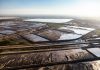
Projects include restoring a drained wetland on private land in Special Area No. 3, converting former industrial end pit lakes into wetlands in Strathcona County, and creating new water-storing wetlands in Parkland County to reduce downstream flood risk. Since 2020, Alberta has invested more than $25 million through the program, restoring or constructing about 676 hectares of wetlands province-wide.

The Wetland Replacement Program allows developers to pay a replacement fee to the province when wetlands are impacted during construction, with funds directed toward restoration in areas with the highest rates of wetland loss. Rural landowners have received more than $6 million since 2020 for hosting restored or newly constructed wetlands.
At the same time, the City of Calgary is moving ahead with two major projects supported by more than $1.7 million in federal funding through the Natural Infrastructure Fund. The funding will support restoration of the West Confederation Park wetland in northwest Calgary, including re-contouring the site, removing drainage systems, replanting native vegetation and improving trail access, with work set to begin in fall 2026.
“Calgary’s natural spaces are more than places for Calgarians to enjoy, they are living systems that are woven into our city’s identity,” announced Kyle Ripley, Calgary’s director of Parks & Open Spaces, Operational Services. “This investment helps us care for them in a way that honours their ecological and cultural significance.”
The city will also advance the Calgary Ecological Network project, which will enhance seven priority natural spaces through invasive species removal, native planting, habitat restoration and improved ecological corridors connecting parks and river systems.
Federal officials said investing in natural infrastructure provides environmental benefits while also expanding opportunities for Canadians to access and enjoy urban greenspaces. The Natural Infrastructure Fund supports projects that use natural or hybrid approaches — such as wetlands, urban forests and bioswales — to increase resilience to climate change, protect biodiversity and improve access to nature.
The federal government is contributing $1.7 million to the Calgary projects, with the city providing an additional $2.1 million. Ottawa noted that at least 10% of the overall Natural Infrastructure Fund envelope is allocated to Indigenous-led projects, and that federal support remains conditional on consultation and environmental assessment requirements.
Both announcements come as governments across the Prairies emphasize climate adaptation and sustainability investments, including efforts under the federal Framework to Build a Green Prairie Economy, which aims to coordinate regional initiatives and support long-term environmental and economic resilience