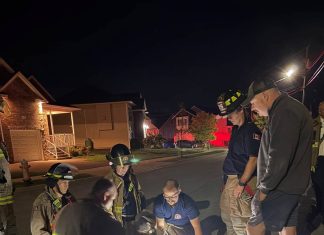
Environmental compliance professionals across Canada are facing growing pressure to adapt to evolving regulations, climate-related risks, and heightened expectations around environmental accountability, according to discussions at the 2026 CANECT Environmental Compliance and Due Diligence Training Event, held April 28-30 in Vaughan, Ontario.
The annual conference brought together environmental lawyers, regulators, consultants, municipal officials, and industry representatives to examine emerging compliance challenges across air quality, water and wastewater management, spills and emergency response, excess soils, contaminated sites, climate resilience, and more.
A recurring theme throughout the event was the increasing complexity of environmental compliance frameworks and the need for organizations to take a more proactive approach to risk management and operational accountability. Several sessions focused on Ontario’s evolving regulatory landscape, including the Environmental Protection Act, Environmental Compliance Approvals (ECAs), Ontario’s Excess Soil Regulation (O. Reg. 406/19), spill reporting requirements, species-at-risk legislation, and federal impact assessment processes. Speakers emphasized that environmental laws frequently overlap across municipal, provincial, and federal jurisdictions, increasing the importance of integrated compliance strategies to avoid enforcement actions and liability risks.
Construction and operational compliance
One of the opening sessions, Environmental Compliance for the Construction Industry, explored how environmental requirements are increasingly shaping construction planning and operations. The course was chaired by Linda Byron of Blue Heron Environmental, with presentations from Serena Maki of Blue Heron Environmental and Sarah Burke of Dominion Construction.
Subscribe to our Newsletter!
The latest environmental engineering news direct to your inbox. You can unsubscribe at any time.
For Allan D. Lloyd, terrestrial assessment technician with the Ontario Ministry of the Environment, Conservation and Parks, the session stood out for its practical and collaborative approach. Lloyd, who volunteered at CANECT for the third consecutive year, said the facilitators encouraged open discussion and knowledge sharing among participants.
“The facilitators created a relaxed and engaging atmosphere that encouraged the audience to openly share their thoughts, experiences, and perspectives. This led to rich discussions, practical examples, and a highly rewarding experience,” Lloyd explained.
Using real-world case studies, presenters examined permitting requirements tied to aggregate extraction and land use, erosion and sediment control planning, spill response obligations, environmental inspections, species-at-risk requirements, and enforcement processes. An interactive exercise involving photographs of active project sites with environmental compliance deficiencies prompted discussions around identifying risks, regulatory obligations, and corrective actions.
A separate course on Environmental Compliance for Water and Wastewater, led by Maki and Byron, and supported by guest speakers, focused on operational compliance requirements for municipal and industrial systems, including sewer use bylaws, environmental monitoring, spill response, and reporting obligations. The session also emphasized the importance of accurate monitoring, documentation, and reporting to support regulatory compliance and environmental protection goals.
For attendee and environmental scientist Gauri Chaudhary, a presentation from York Region’s Environmental Monitoring and Enforcement Branch was among the conference highlights.
“The speakers explained how organizations can proactively prepare for inspections, maintain documentation, and ensure adherence to bylaw requirements,” Chaudhary explained. “A practical exercise related to Environmental Protection Act permit implementation and sewer bylaw requirements was also conducted, which provided participants with hands-on exposure to interpreting compliance obligations and applying regulatory requirements in operational scenarios.”
Climate risks, spills, and excess soil regulations
Spills and environmental emergencies were another major focus area, particularly as climate change intensifies operational risks for infrastructure and industrial facilities. A session led by Janet Bobechko, partner and Certified Specialist in Environmental Law with WeirFoulds LLP, examined how flooding, wildfires, droughts, and severe storms are increasing both the likelihood and severity of environmental incidents.
Presenters noted that climate-related hazards are already affecting infrastructure reliability, emergency response capabilities, and spill preparedness planning. Damage to storage facilities, pipelines, transportation systems, along with power outages and staffing shortages during emergencies, were identified as growing concerns across multiple sectors.
The session emphasized that emergency planning can no longer rely solely on historical conditions and instead should incorporate forward-looking climate risk assessments extending 10 to 20 years into the future. Ontario’s spill reporting framework and the role of the province’s 24/7 Spills Action Centre were also reviewed, with presenters stressing that spills remain the responsibility of facility owners regardless of the volume released.
Ontario’s excess soil regulations and contaminated site management also drew significant attention during the conference. Bobechko and other environmental professionals discussed the implementation of O. Reg. 406/19, which is intended to encourage the safe reuse of excess soil while reducing illegal dumping and landfill disposal.
Presenters highlighted upcoming landfill restrictions beginning in 2027, increased use of digital soil tracking systems, and growing regulatory scrutiny surrounding PFAS and other emerging contaminants. Municipal and industry representatives also stressed the importance of proper soil characterization, sampling, documentation, and beneficial reuse planning as organizations prepare for future regulatory changes.
PFAS management emerged repeatedly throughout the conference, with discussions focusing on sampling challenges, reporting obligations, environmental liability, and due diligence practices. Speakers also emphasized that environmental management systems, including ISO 14001 frameworks, are becoming increasingly important tools for demonstrating operational control, reducing environmental risk, and supporting compliance efforts.
Interactive sessions throughout the conference encouraged participants to examine real-world spill scenarios, environmental prosecutions, erosion and sediment control failures, and site inspection challenges. Over 60 speakers from a wide range of organizations reinforced that environmental compliance increasingly requires continuous improvement, cross-functional planning, and stronger integration of sustainability considerations into day-to-day operations.
While regulatory frameworks continue to evolve, presenters consistently emphasized that organizations investing in proactive environmental planning, strong compliance systems, and climate resilience strategies will be better positioned to manage future environmental and operational risks.
Join Canada’s environmental compliance community again from November 25 – 26 as the second annual CANECT West event returns to Calgary this year.