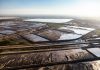
The federal government says new landfill methane regulations are expected to cut greenhouse gas emissions by more than seven megatonnes of carbon dioxide equivalent annually by 2030, according to a newly released strategic environmental assessment published alongside the regulations in the Canada Gazette.
The Landfill Methane Regulations (SOR/2025-279), finalized under the Environment and Climate Change Canada framework of the Canadian Environmental Protection Act, 1999, target methane emissions from landfills that receive municipal solid waste. Methane is considered a potent greenhouse gas that is roughly responsible for 30% of global warming and has a warming potential at least 28 times greater than carbon dioxide over a 100-year period.
The federal government said methane reductions can produce relatively rapid climate benefits because the gas has a shorter atmospheric lifespan than carbon dioxide.
According to the assessment, Canadian landfills accounted for 17% of national methane emissions and 2.7% of total greenhouse gas emissions in 2023. Ottawa said that while voluntary initiatives and existing regulations have been in place for decades, additional reductions are necessary to meet Canada’s climate targets.
Subscribe to our Newsletter!
The latest environmental engineering news direct to your inbox. You can unsubscribe at any time.
The new regulations form part of the federal Methane Strategy, which commits Canada to reducing methane emissions by 35% below 2020 levels by 2030. The strategy also aims to reduce landfill methane emissions by approximately 50% below 2019 levels by the end of the decade.
Under the regulations, certain landfills will be required to meet methane performance standards at landfill surfaces, limit methane venting, destroy recovered methane and implement monitoring programs designed to detect leaks and elevated surface methane levels.
Methane is listed as a toxic substance under Part 2 of Schedule 1 of CEPA, giving the federal government authority to regulate and enforce methane management measures.
The strategic environmental assessment concluded the regulations are expected to reduce annual landfill greenhouse gas emissions by about 42% by 2030 compared with 2019 levels. The federal government said those reductions will contribute toward Canada’s commitments under the Global Methane Pledge.
Ottawa also linked the regulations to broader climate resilience objectives, noting that reducing greenhouse gas emissions could help lessen the impacts and costs associated with increasingly severe weather events.
In addition to emissions reductions, the government said captured landfill methane could support the production of low-carbon energy sources such as electricity, heat and renewable natural gas.
The regulations are also tied to goals within the federal government’s 2022-2026 Federal Sustainable Development Strategy and the United Nations Sustainable Development Goals, including climate action and expanded access to clean energy.
Environment and Climate Change Canada said the regulations include monitoring and reporting requirements intended to measure effectiveness and track methane reductions over time. Data collected through the program will feed into Canada’s National Inventory Report on Greenhouse Gas Sources and Sinks, the CEPA Annual Report and departmental performance reporting.